Foreign exchange student welcomes activities, excitement of NS
By Ryo kojima
Staff Reporter
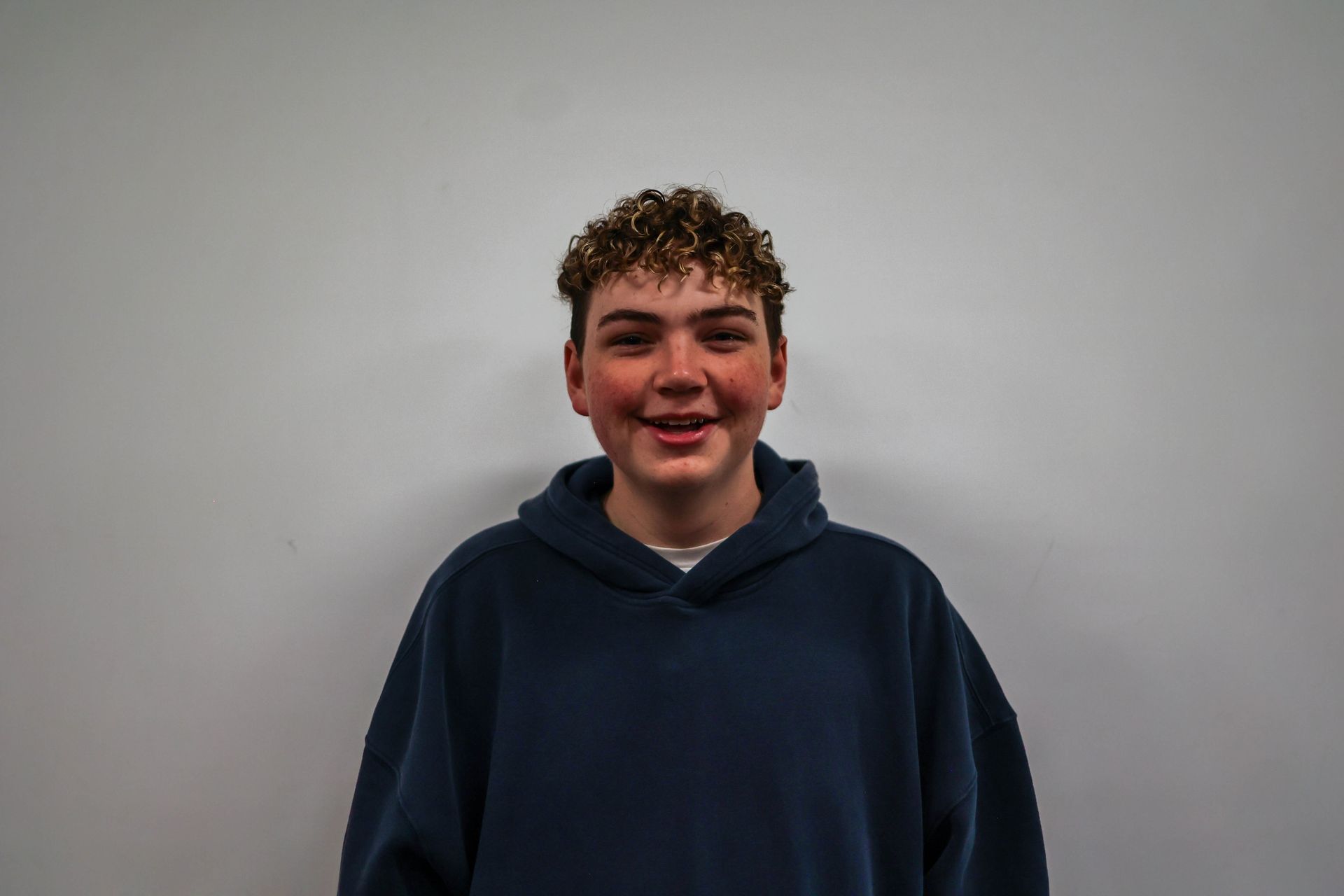
I arrived in the United States around mid-August this year. The charity organization my grandfather belongs to has an exchange program for students. As such, exchange students from various countries, such as the United States and Canada, frequently stayed at my home in Japan. Having always wanted to participate, it was finally decided that I would go.
Although the study abroad plan had been set more than a year in advance, the destination—including the country, region, and school—was determined by the organization, so I could not know the details until shortly before departure. In fact, I only found out about the details around April this year.
Originally, my destination was set to be a town in New York State near the Canadian border. However, one day it was suddenly changed to Utah.
Just as many Americans are unfamiliar with Japan's prefectures, most Japanese people, with few exceptions for more well-known states, do not know the names, locations, or details of American states. While I knew the name of Utah, I did not know much about its exact location or specific details.
Then, my life in the U.S. began, and I found that many things were different from Japan. One major difference I feel is the climate. Japan has an abundance of water, and the humidity is extremely high, making it feel incomparably hotter and is very uncomfortable. Here, because of the high altitude and low humidity, every day is very comfortable.
Also, in Japan, cars have the steering wheel on the right side, and drive on the left side of the road. I was a bit confused at first.
Most Japanese people start learning English seriously around the age of 13. However, English education in Japan is generally designed for university entrance examinations. Because the focus is not on conversation, many Japanese people can read English text to some extent, but struggle with spoken English. In fact, when I first arrived, I had a very hard time listening and understanding, and even now, there are still many things I do not catch.
Additionally, Japanese people tend to prefer speaking perfect English with a strong emphasis on grammar. Since arriving here, I have learned the importance of asking for clarification even if I do not understand well, and at least expressing my own opinion.
One thing that concerns me is the food. Japanese and American meals are quite different. In Japan, a single meal consists of a wide variety of dishes,based on rice and soup. We typically eat three to four side dishes, including vegetables and fish. Also, we eat fish far more often than meat.
School lunches are also different. In Japan, nutritionally balanced school lunches are provided, and the items and amounts to be eaten are predetermined.
Furthermore, what I feel is the biggest difference is the waste of food . In Japan, unless you’re sick, leaving food on your plate is considered strictly unacceptable. When it comes to rice, we do not leave even a single grain.
This is because Japanese people hold an animistic view that spirits reside in all things, and leaving food behind is considered disrespectful to the ingredients.
Finally, regarding the people, Americans are very kind to me as a foreigner. Compared to Japanese people, many Americans are proactive, and men and women get along very well. Japanese people tend to "read the room," conform to those around them, and prefer indirect behavior. On the other hand, Americans value individual opinions and act assertively.
Additionally, exchanging greetings and small talk with strangers on the street or at the supermarket checkout line is a cultural norm that does not exist in Japan.
The purpose of this one-year exchange program is goodwill and cultural exchange. Improving my English skills is definitely a factor, but it is not the main goal. By immersing myself in a different culture, I have gained an opportunity to objectively reflect on my roots and strengths as a Japanese person. My study abroad experience has just begun, and I am looking forward to seeing how I will adapt to life here and how I can help many people learn about myself and Japan.